

You have a polished manuscript or book proposal, and you’re ready to start pitching agents and publishers. But how do you figure out who to submit to? And how do you evaluate the quality of the agents and publishers you do find?
In this live webinar, you’ll learn not only how to research agents and editors using a variety of online resources, but also how to evaluate fit and reputation, so that you don’t unwittingly end up with a schmagent or a publisher that’s really a self-publishing service.
Some writers wonder whether they can hire out this work—to identify the right markets, put together their materials, and track responses. Although a handful of services can undertake this process for you, they rarely care about your work as much as you do. But there’s another significant reason to do the work yourself: it represents a marvelous learning opportunity. This work increases your familiarity with the business side of writing and publishing, which in turn leads you to make better decisions for your career.
You should focus on researching and submitting your work to agents if you believe your work has some commercial potential or is a good fit for a big New York publisher because those publishers rarely accept unagented work. The same is true of some midsize publishers and prestigious independent publishers. If you can’t find an agent to represent you, then you’ll need to research publishers on your own who accept unagented work. Typically, you’ll want to research agents and publishers at the same time to keep your process efficient. You may discover through your research, in fact, that your book is better suited to a small or independent press, rather than a big publisher.
This live webinar isn't suited for writers who are not pitching US-based agents and publishers. If you are based in Canada, the UK, Australia, or Europe, this class might not be for you unless you’re focused on getting published in the US market. (Tip: Authors in overseas markets often believe their home market is too small, and therefore want to pitch US agents and publishers. However, it’s generally better to start in your home country first, especially if your characters, settings, and themes are tied to your home country. If your book is not culture specific, however, and you discover a US agent or publisher who you think is the perfect fit, then there’s no harm in pitching as you would an agent or publisher in your home country.)
What will you learn?
Who should attend?
How does it work?
Need help?
Meet the instructor
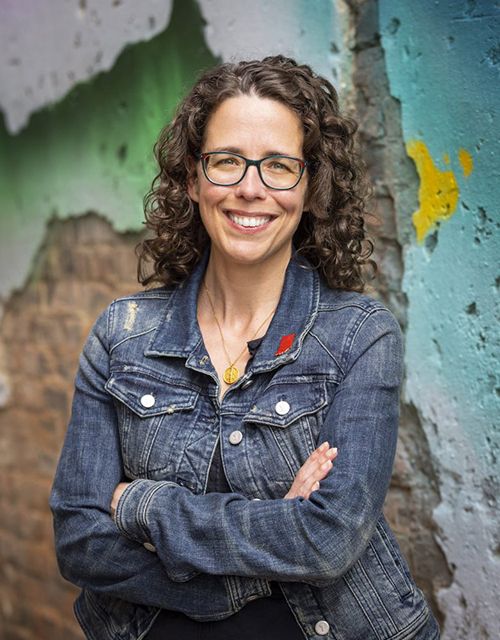
Jane Friedman
Jane Friedman has spent her entire career in the book publishing industry, with a focus on author education and trend reporting. Established in 2015, her newsletter The Bottom Line provides nuanced market intelligence to thousands of authors and industry. Her latest book is THE BUSINESS OF BEING A WRITER, SECOND EDITION (University of Chicago Press), which received a starred review from Library Journal. In addition to serving on grant panels for the National Endowment for the Arts and the Creative Work Fund, she works with organizations such as The Authors Guild to bring transparency to the business of publishing. Learn more at JaneFriedman.com.
View Website